Email: dcmecranejmp@gmail.com Fax: 06344 243205

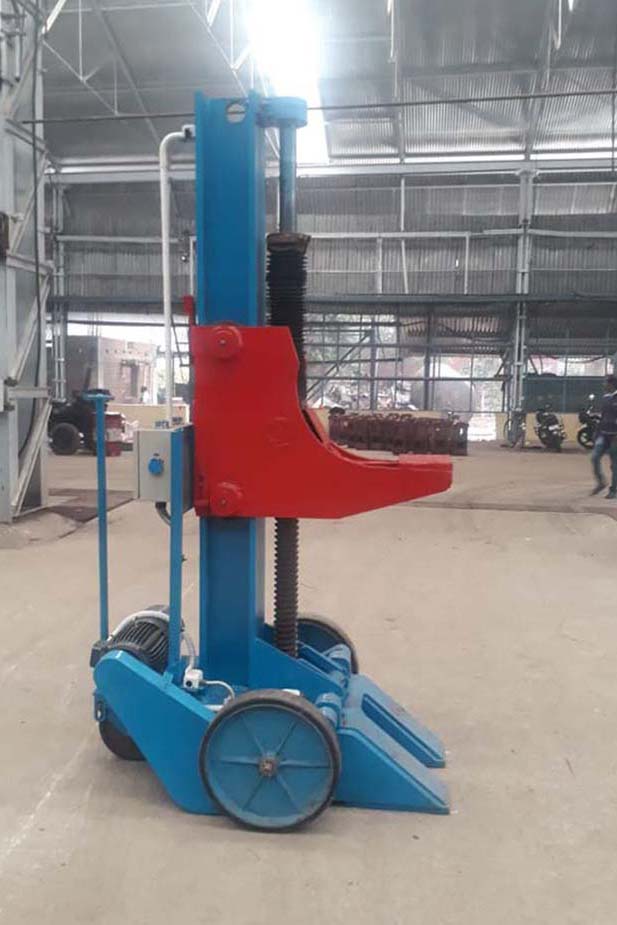
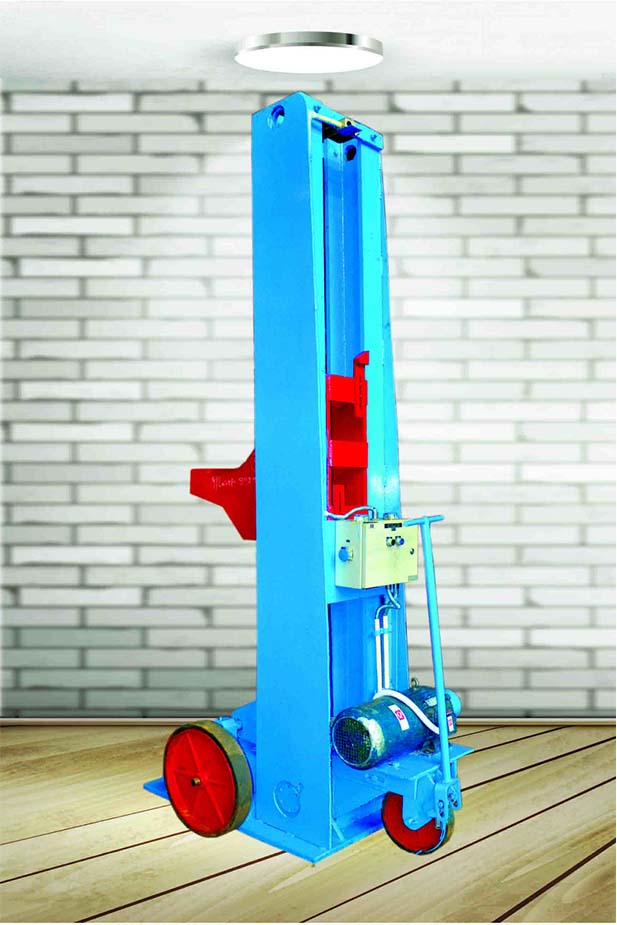
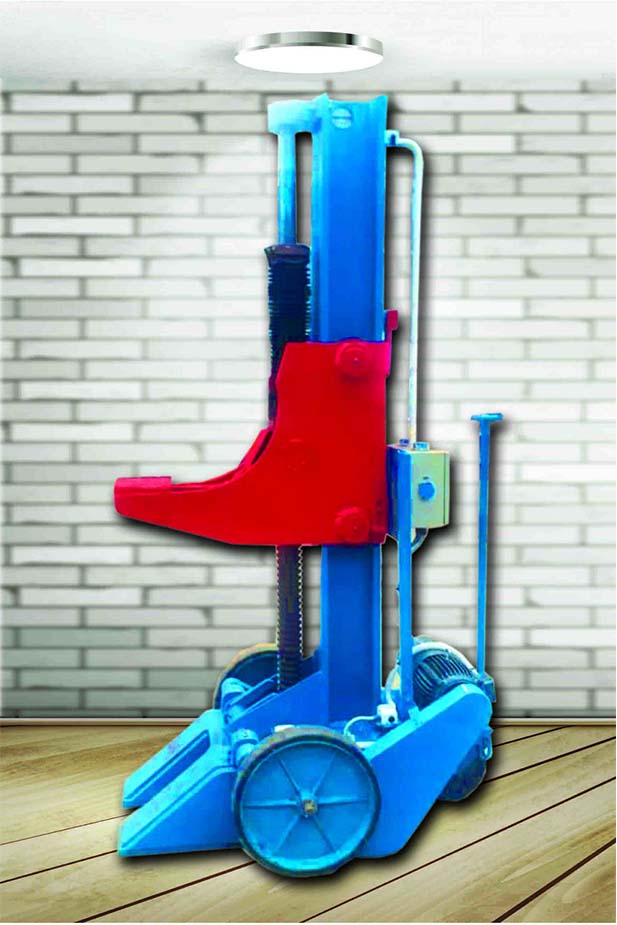
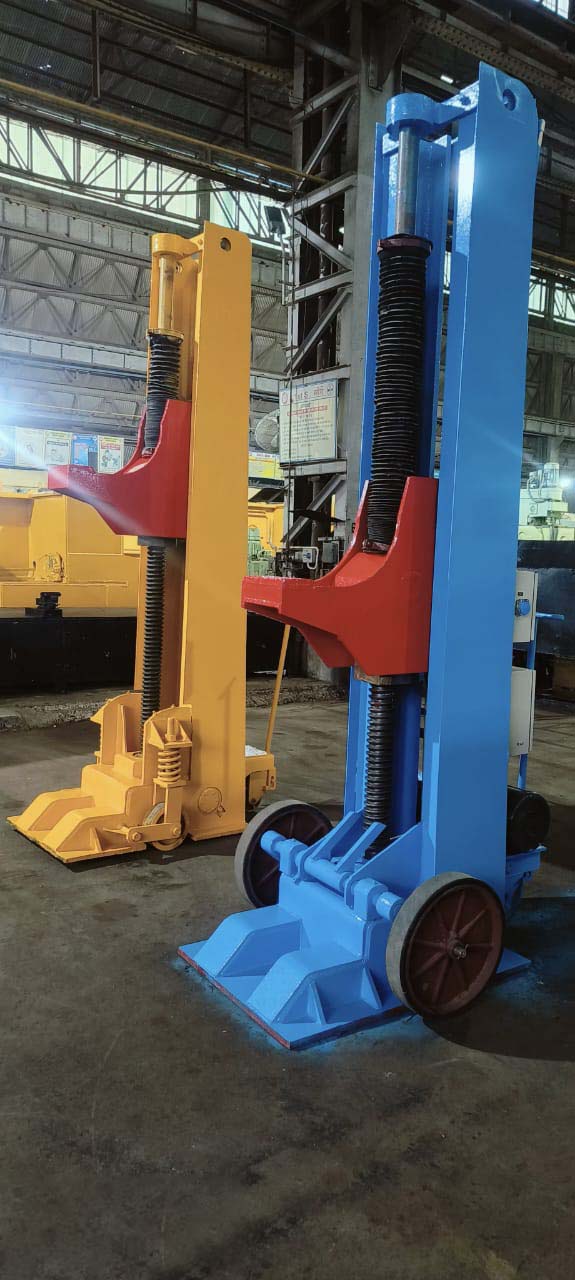
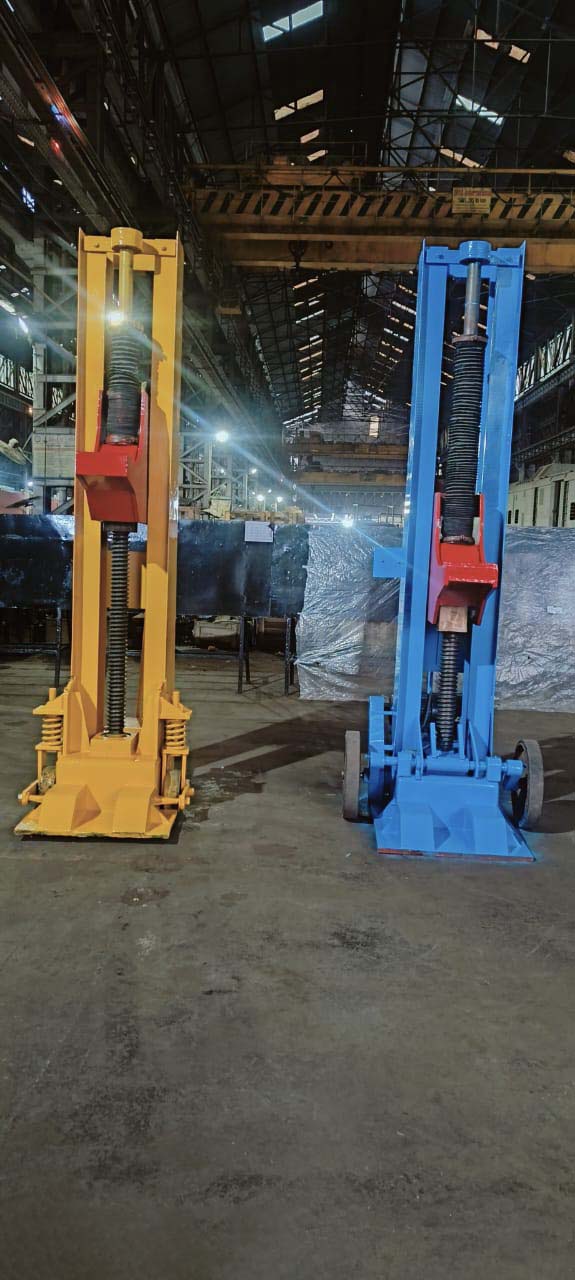
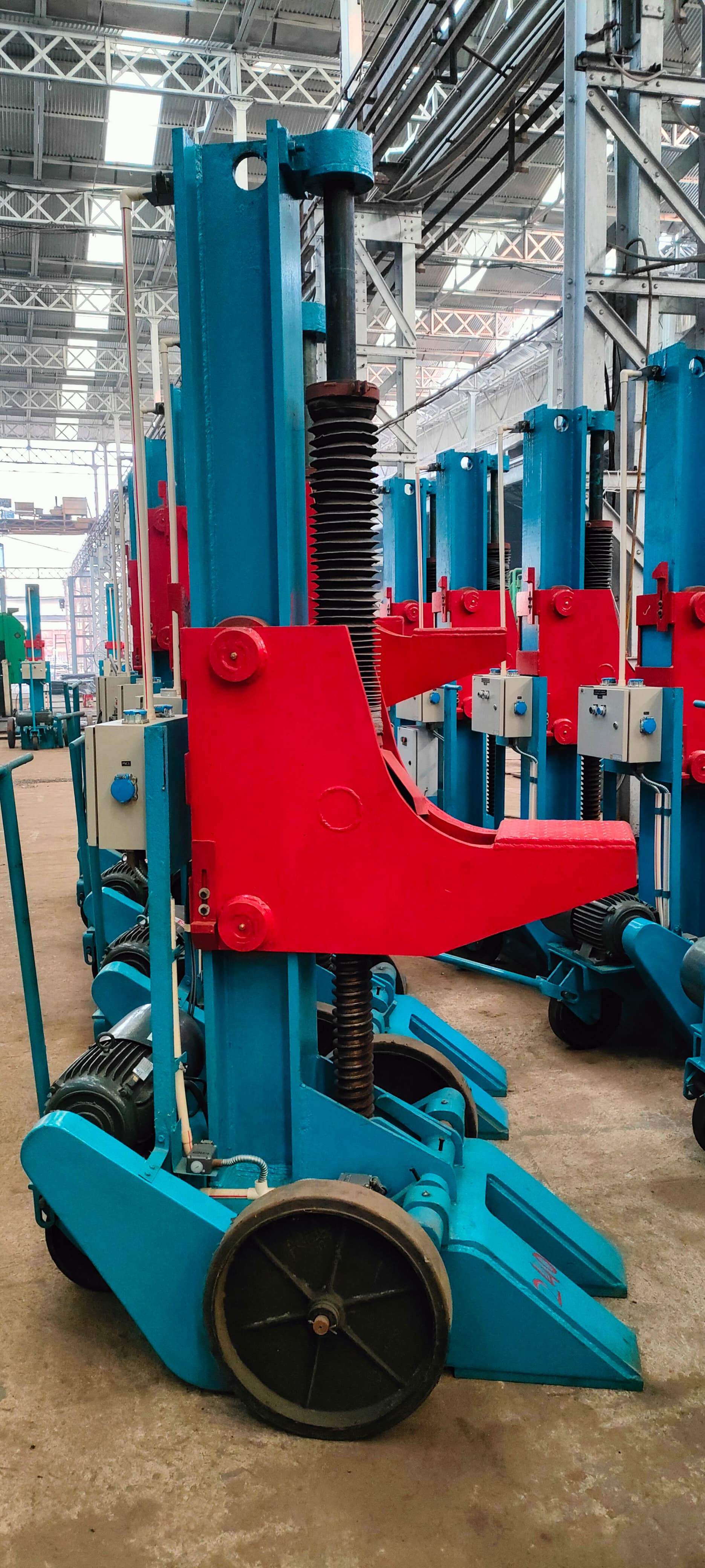
The Locomotive Engineering Workshop at Jamalpur (as it was originally known) was established on the 8th of February, 1862. Jamalpur Jacks, manufactured at the Jamalpur Locomotive Workshop, are specialized hydraulic jacks used in Indian Railways for lifting locomotives and rolling stock during maintenance and repair. They are designed for various tasks, including lifting locomotives for inspection and maintenance, wheeling and de-wheeling operations in workshops, and other lifting purposes with appropriate adaptors.  There are mainly two types of Jamalpur Jack – 25 Ton JMP Jack (Ty-U Modified)
35 Ton JMP Jack (Ty-H Modified)

Technical Highlights


Jacks Faq's


How do I synchronize all four jacks during lifting?

  • Connect all jacks using the designated power/control cables.
  • Use the “UP” button on the master control panel of Jack No. 1.
  • Ensure claws of all jacks touch the lifting pads before lifting together.
  • Visually supervise for any height differences and correct individually if needed.

Note:-Download User Manual For More Detail .

How should I test the jacks before operation?

  • Conduct a no-load test after verifying electrical connections and gear oil levels.
  • Ensure correct alignment, check direction of motor rotation, and test limit switches.


Note:-Download User Manual For More Detail .

What should be done before commissioning a new jack set?

  • Clean components using kerosene.
  • Fill 15L of gear oil (e.g., RR-606MG or Servo Mesh SP 257).
  • Tighten bolts, clean electrical components, check gear oil levels, and perform a no-load test.


Note:-Download User Manual For More Detail .

What is the recommended lubrication schedule?

  • Weekly to monthly lubrication depending on the part (refer to lubrication diagram on Pg. 36).

  • Use Servo Mesh SP 257 for gearboxes, Servo Way 68 for screws/wheels, and Servo Gem 2 for bearings


Note:-Download User Manual For More Detail .

The jack's lifting movement is jerky. What could be wrong?

Potential issues include:

  • Lack of lubrication 
  • Rollers too tight
  • Broken roller pins  

Solution: Lubricate properly, check roller alignment, and replace damaged pins.

Download User Manual

Still Need a Solution? Yes | No
Back To Top